A Modern School of Holistic Medicine
Structured education rooted in physiology, cultural integrity, and measurable clinical practice.

Blog details page
Dive deep into this article, gain actionable insights, and enhance your learning journey with expert advice from our educators.

Jun 9, 2026
Health
Remote Patient Monitoring in Holistic Medicine - Using Data to Personalize Clinical Care
Remote Patient Monitoring in Holistic Medicine - Using Data to Personalize Clinical Care
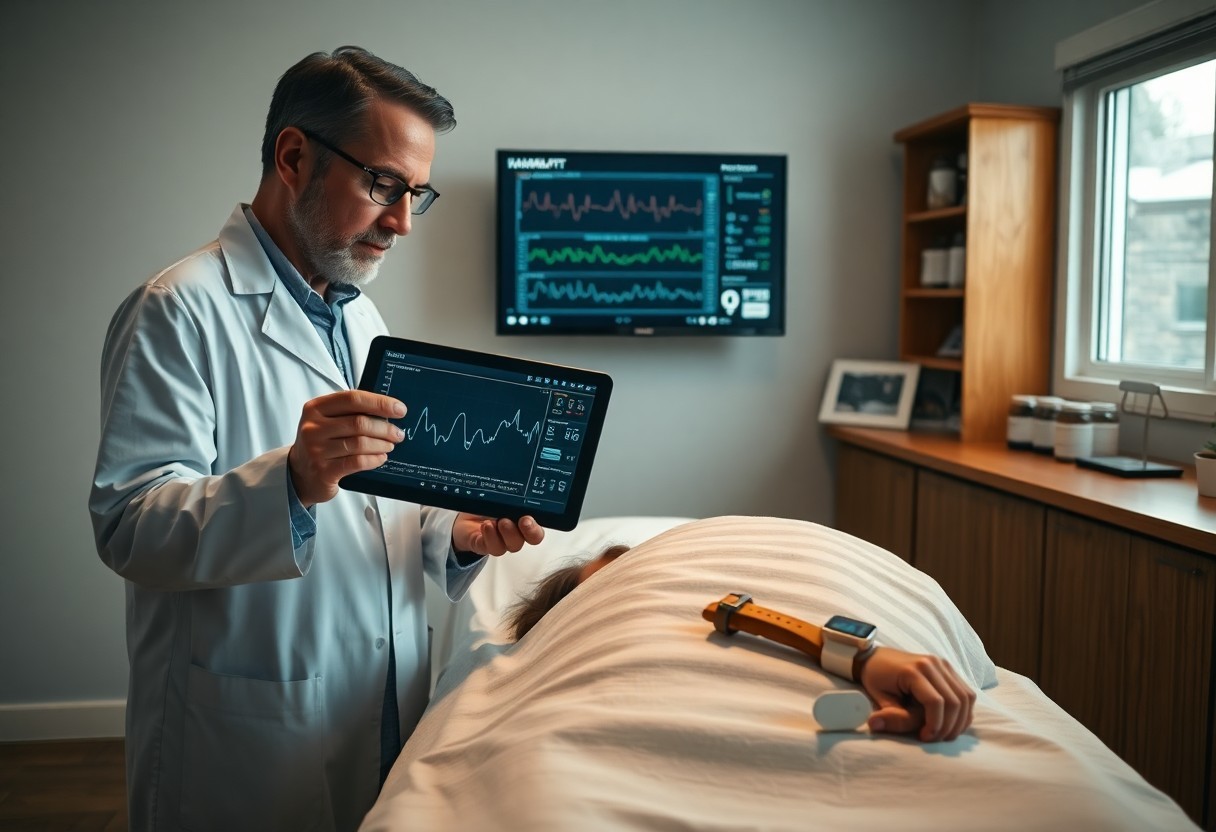
You use continuous biometric data to personalize care, detect early deterioration, and reduce hospitalizations, integrating lifestyle, mental-health, and clinical metrics for a safety-first, patient-centered approach.
Key Takeaways:
Remote Patient Monitoring (RPM) combines biometric, symptom, and behavioral streams to personalize holistic treatment plans that integrate medical, nutritional, sleep, stress, and movement interventions.
Continuous patient-generated data enables dynamic risk stratification and early detection of exacerbations, lowering hospitalizations and acute-care utilization.
Trend analysis and contextual data allow clinicians to adjust dosing, timing, and modality of therapies to match circadian rhythms and individual lifestyle patterns.
Shared dashboards and transparent metrics improve patient-clinician collaboration and adherence by making progress visible and supporting informed shared decision-making.
Privacy protections, data interoperability, validated clinical algorithms, and standardized protocols with clinician training ensure RPM delivers safe, actionable insights while minimizing alert fatigue.
Bridging Traditional Holistic Principles with Modern Digital Health
Defining the Whole-Person Approach in the Era of Big Data
Holistic practice combines continuous vitals, behavioral logs, and environmental context so you and your clinician detect interactions that single snapshots miss; whole-person data enables targeted lifestyle and therapeutic choices linked to improved outcomes.
Data aggregation surfaces patterns across sleep, stress, and symptoms so you can prioritize interventions that treat root causes rather than isolated complaints, while guarding against privacy risks and ensuring clear consent.
Transitioning from Episodic Care to Continuous Wellness Monitoring
Shifting from sporadic visits to ongoing remote monitoring gives you early visibility into trends, letting clinicians adjust plans based on lived physiology and reduce acute escalations through continuous monitoring.
Sensors, apps, and patient reports alert you to deviations but can create overload; set thresholds and escalation protocols to avoid alert fatigue and ensure meaningful signals reach your care team.
Integration of RPM into your care workflow creates feedback loops that let you fine-tune nutrition, sleep, activity, and medications in near real time, while explicit escalation rules guard against missed emergencies and support measurable reduced hospitalizations.
Technological Infrastructure of Remote Patient Monitoring (RPM)
Network architectures connect devices, cloud platforms, and clinicians so you can act on continuous patient data while preserving clinical context. Encryption, role-based access, and audit trails mitigate the risk of breaches, but you must monitor vulnerabilities and prioritize data security alongside interoperability to deliver consistent, personalized interventions.
Wearable Biosensors for Real-Time Physiological Tracking
Wearables capture continuous metrics like heart rate variability, glucose trends, and movement so you can detect early deviations from baseline and adjust care. Firmware updates and validation reduce false alarms, and focused alert thresholds protect patient safety while improving outcomes through real-time physiological tracking.
Integration of Environmental and Ambient Data Streams
Outdoor and indoor sensors add air quality, temperature, and noise data so you can correlate symptoms with exposures and refine treatment plans. Localized measurements and geolocation help identify environmental triggers that may worsen chronic conditions, while automated alerts warn of hazardous conditions.
Sensors feeding into EHRs enable longitudinal analysis and population-level insights, yet you must validate sampling rates and placement to maintain data integrity and avoid false positives that could lead to unnecessary interventions.
The Role of Mobile Health (mHealth) Applications in Patient Engagement
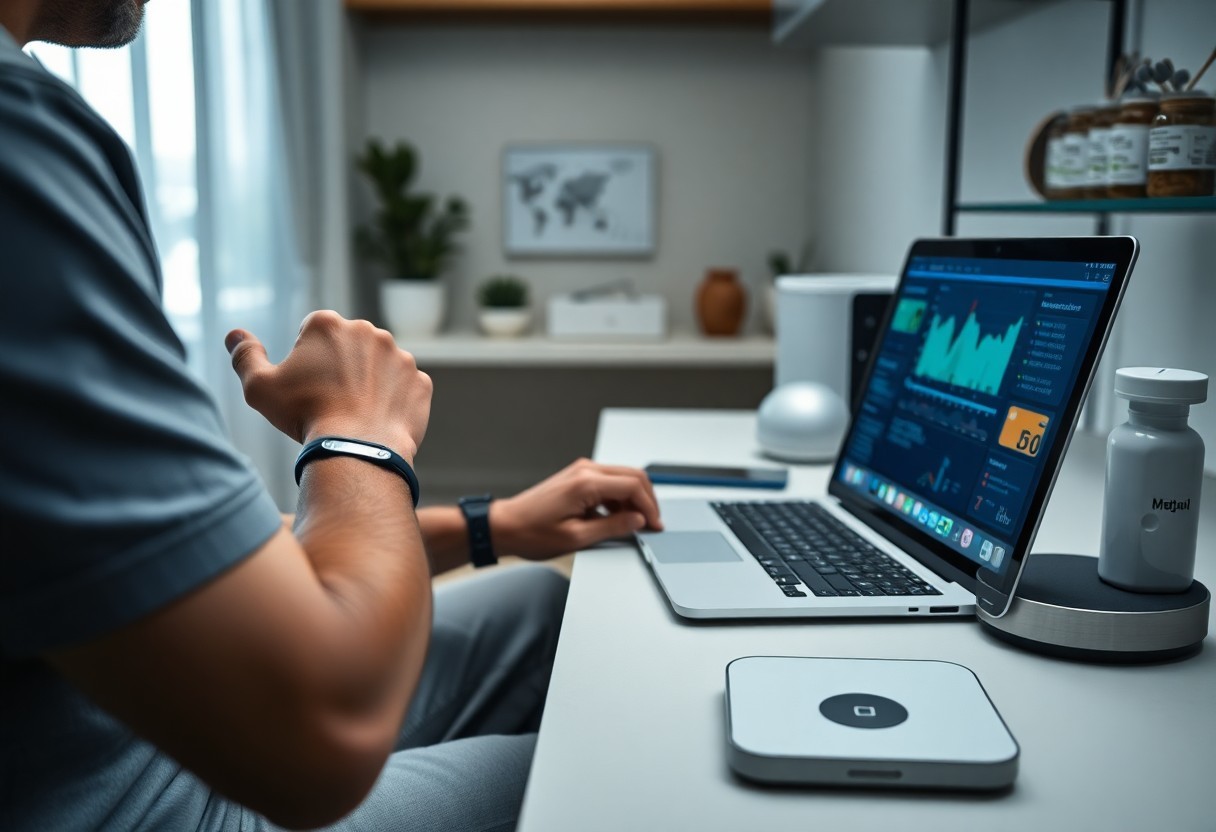
Apps aggregate sensor feeds, visualize trends, and send tailored prompts so you can keep patients engaged with care plans and improve adherence. Secure messaging and decision-support pathways let clinicians intervene quickly when patterns indicate risk, increasing the chance of better outcomes through timely action.
Design choices determine uptake: intuitive interfaces, clear consent flows, and low-friction enrollment increase use, while excessive notifications or unclear data sharing reduce trust; you should prioritize privacy, straightforward settings, and concise feedback to sustain long-term participation.
Data-Driven Personalization: Customizing the Healing Journey
Clinicians reviewing your RPM streams refine treatments by matching interventions to real-time responses, so you avoid one-size-fits-all care and prioritize changes that show measurable benefit, with urgent physiological risks flagged for prompt action.
Analyzing Circadian Rhythms and Sleep Architecture for Recovery
Sleep staging and timing from wearables reveal when you hit restorative slow-wave and REM sleep, letting you shift routines to improve recovery and reduce daytime inflammation, with fragmented sleep marked as a clear risk factor.
Mapping the Relationship Between Stress Response and Lifestyle Data
Stress markers paired with heart rate variability and activity logs show how your habits trigger sympathetic spikes, enabling you to test targeted behavioral changes when data indicates dangerous stress patterns.
Patterns across weeks distinguish acute reactions from chronic load, helping you and your clinician choose breathing, schedule, or workload adjustments that lower baseline cortisol and support resilience.
Correlating stress peaks with caffeine, meals, and screen time lets you isolate triggers and run short trials so you can confirm which adjustments actually reduce your sympathetic activation.
Leveraging Longitudinal Biomarker Trends for Nutritional Optimization
Markers like glucose variability, inflammatory cytokines, and micronutrient levels tracked over months show how your diet shifts physiology, allowing you to identify and address nutrient deficiencies before symptoms escalate.
Longitudinal views make it possible for you to prioritize foods that maintain steady glycemic control and lower oxidative stress, converting noisy daily data into actionable dietary choices.
Interpreting these trends alongside symptoms lets you and your clinician set escalation thresholds so persistent adverse changes trigger timely interventions while positive shifts reinforce adherence.
Strengthening the Therapeutic Alliance through Connectivity
Connectivity lets you stay linked to your clinician between visits, creating a partnership where data supports dialogue and trust. Tools such as AI in Remote Patient Monitoring | Predictive & Personalized Insights can surface real-time alerts that prevent deterioration, letting you and your provider act before problems escalate.
Shared access to continuous data helps you feel seen and heard, as clinicians tailor care based on trends rather than snapshots. This continuous loop enables personalized adjustments to therapies and lifestyle plans that align with your goals and values.
Facilitating Real-Time Clinical Interventions and Health Coaching
When sensors flag concerning patterns, you receive prompt outreach that converts raw measurements into actionable coaching and clinical changes. Rapid contact reduces delays in care and supports targeted adjustments that can lower risk of complications.
Enhancing Patient Autonomy through Transparent Data Access
Access to your own metrics and clinician notes gives you control over decisions and clarifies why specific changes are recommended. Seeing trends increases your confidence to follow integrative plans and to discuss options knowledgeably with your care team.
More frequent visibility into progress fosters proactive self-management: you can test small habit changes, observe outcomes, and bring meaningful questions to appointments, strengthening shared decision-making.
Improving Adherence to Personalized Integrative Protocols
Consistent connectivity makes it easier for you to stick with tailored protocols by turning abstract goals into measurable daily tasks supported by reminders and feedback. This structure raises the likelihood of sustained behavior change.
Regularly tracking outcomes lets you and your clinician refine protocols in short cycles, so adherence becomes a dynamic, responsive process aligned with what actually works for your life and health. Better adherence often translates into fewer setbacks and clearer progress toward your wellness aims.
Navigating Challenges in Holistic Data Integration
You must reconcile heterogeneous sensor feeds, clinical notes and lifestyle reports to personalize care; A holistic approach to remote patient monitoring, fueled by real-world sensor data shows practical integration patterns. Use governance and clinician oversight to convert signals into action while protecting patient voice and safety, aiming for better-targeted interventions.
Ensuring Data Security and Ethical Bio-Sovereignty
Protecting sensitive streams requires that you define consent boundaries, local data custody, and transparent sharing policies. Adopt encryption at rest and in transit, and enforce access controls to reduce the risk of data breaches. Aligning policies with community preferences preserves bio-sovereignty while keeping datasets clinically useful.
Reconciling Quantitative Metrics with Subjective Patient Experience
Balancing continuous metrics with patient narratives asks you to treat numbers as signals rather than definitive diagnoses; use validated scales to contextualize anomalies while honoring reported symptoms. Flag mismatches for clinician review and include patients in decisions to keep care aligned with their priorities.
Consider adding brief qualitative prompts and ecological momentary assessments so you capture context that explains outlier readings; this reduces false alarms and strengthens adherence. Emphasize that combining objective trends with patient voice yields more personalized, safer care.
The Future Landscape of Predictive Holistic Medicine
Predictive algorithms synthesize RPM streams with clinical and lifestyle data so you get continuous, individualized risk insights that guide preventive choices. Clinical teams and you can act on real-time risk scores to reduce acute events while guarding against data privacy breaches and algorithmic bias.
Artificial Intelligence and Machine Learning in Preventive Modeling
AI models process patterns across physiology, behavior, and environment so you receive earlier, contextual alerts that support tailored interventions. Models can offer early detection of deterioration but also generate false positives and biased outputs that require transparent validation and clinician oversight.
Scaling Individualized Care Protocols for Population Health
Systems that aggregate individual RPM profiles allow you and your care teams to deploy targeted prevention at scale, producing fewer hospitalizations and measurable improvements in wellbeing. Implementation requires standardized data models and clear clinician workflows to keep interventions timely and ethical.
Population analytics surface subgroup trends so you can prioritize resources where they prevent the most harm, while monitoring for widening disparities and addressing privacy risks through consented governance. Ongoing compliance and auditing preserve trust.
Operationally, you will need interoperable platforms, clinician training, and continuous feedback loops that detect model drift and maintain patient trust; robust monitoring catches errors early and prevents harm from inaccurate recommendations.
Final Words
With this in mind, you can integrate remote patient monitoring into holistic practice to collect continuous physiologic and behavioral data that informs tailored interventions, medication adjustments, and lifestyle guidance in real time.
You must prioritize data accuracy, patient consent, and interdisciplinary coordination so insights translate into measurable outcomes and improved patient experience.
FAQ
Q: What is remote patient monitoring (RPM) in holistic medicine and how does it differ from standard RPM?
A: Remote patient monitoring (RPM) in holistic medicine extends traditional biometric tracking by integrating physiologic data with patient-reported outcomes, behavioral measures, and social-context information to address the whole person. It collects continuous or frequent measures such as blood pressure, heart rate variability, glucose, sleep, activity, mood, pain scores, and nutrition logs to build a longitudinal picture of health. Clinicians and interdisciplinary teams use those multidimensional data to identify patterns that single-point clinic visits miss, personalize care plans, and prioritize interventions across physical, mental, and social domains. Examples include adjusting medication dosing from home blood pressure trends, customizing sleep and nutrition plans from wearable data, and initiating timely behavioral-health referrals when mood or stress indicators change. Longitudinal monitoring supports dynamic care that aligns with patient goals and daily life rather than only episodic clinical snapshots.
Q: How does data from RPM personalize clinical care and what analytic methods are used?
A: Data streams are combined and normalized to create individualized baselines and detect meaningful deviations from each patient’s normal range. Baseline modeling and trend analysis highlight slow changes, while time-series analytics and machine learning models can identify early warning signals and predict exacerbations. Clinicians apply rule-based alerts and validated predictive scores to prioritize high-risk patients and target interventions, and clinical decision-support tools translate raw signals into recommended actions tied to evidence-based protocols. Shared decision-making sessions use those insights to set personalized goals, choose lifestyle or pharmacologic changes, and schedule monitoring intensity. Practical examples include fine-tuning insulin regimens using continuous glucose trends, tailoring antidepressant or therapy plans based on mood and sleep correlations, and reducing unnecessary visits by shifting low-risk patients to lower-intensity remote follow-up.
Q: What are the main privacy, safety, and implementation considerations for RPM programs in holistic care?
A: Privacy, security, and ethics require attention across device selection, data transmission, storage, and reporting, with clear informed consent about what is collected and how it will be used. Use of encryption, role-based access controls, audit logs, and vendor due diligence helps meet legal standards such as HIPAA and GDPR. Device validation and clinical-grade measurement accuracy reduce false signals and inappropriate interventions. Workflow design should minimize clinician burden by routing actionable alerts into electronic health records via standards like FHIR, defining responsibilities for data review, and setting thresholds to limit alert fatigue. Reimbursement and sustainability depend on documenting monitoring time, demonstrating outcome improvements through pilots, and aligning services with available billing codes or value-based contracts. Continuous evaluation of patient engagement, equity of access, and data governance completes a responsible implementation strategy.
